How to Build a Balanced and Healthy Fruit Bowl From Scratch
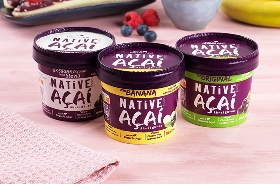
Descobre a tua receita perfeita com NATIVE Açaí
Responde a algumas perguntas rápidas e encontra a combinação ideal para o teu estilo.
A healthy fruit bowl is one of those things that looks simple but is easy to get wrong. Too much fruit and not enough structure, and it becomes a sugar hit with little staying power. Too focused on aesthetics, and the nutritional value ends up being an afterthought.
If you want to build a fruit bowl that's genuinely balanced (and that keeps you satisfied) this article covers the approach from the base up. For combinations and inspiration, explore our healthy fruit bowl recipes.
What a Balanced Healthy Fruit Bowl Actually Looks Like

A fruit bowl isn't just a collection of fruit in a bowl. When built thoughtfully, it's a complete meal or snack with a clear nutritional structure. When built carelessly, it's a visually appealing combination that leaves you hungry an hour later.
The structure of a well-balanced healthy fruit bowl follows a simple logic: base, fruit, protein or fat, and texture. Each layer has a role.
Research consistently shows that higher dietary fibre intake from fruit is associated with significantly lower risk of cardiovascular disease and all-cause mortality, you can explore the full healthy fruit bowl and dietary fibre data on Frontiers in Nutrition. A bowl built around whole fruit and fibre-rich toppings contributes meaningfully to that intake.
The Base
The base is the foundation of the bowl and the ingredient that contributes most to texture, flavour, and nutritional density. A base can be yoghurt, a sorbet, blended frozen fruit, or a combination of these. What it shouldn't be is fruit juice or a flavoured syrup, both add sugar without adding the fibre or protein the base needs to provide.
Açaí sorbet and pitaya sorbet are two of the most effective bases for a healthy fruit bowl. Both are made from whole fruit, both contribute antioxidants and fibre, and both can be used directly from the cup without any preparation. Açaí adds a deep, slightly earthy flavour and a creamy texture; pitaya brings a lighter, more delicate flavour and a vivid colour.
The Fruit Layer
The fruit layer adds vitamins, natural sweetness, and variety. The most balanced approach is to combine one starchy or sweeter fruit (banana, mango, or pineapple) with one or two sharper or more tart options such as berries, kiwi, or passion fruit. This balances the glycaemic load of the bowl and creates a more interesting flavour profile.
Protein or Fat
This is the element most fruit bowls are missing. Without protein or fat, even a well-constructed fruit bowl digests quickly and doesn't keep hunger at bay for long. Greek yoghurt, nut butter, a handful of nuts, or seeds all work well here. They don't need to be the dominant element: a spoonful of almond butter or a tablespoon of hemp seeds is enough to make a meaningful difference.
Texture Topping
Granola, puffed rice, or toasted coconut flakes add crunch and slow the eating pace, which supports satiety. They also make the bowl more satisfying to eat. Choose a granola with minimal added sugar and a short ingredient list.
How to Choose Fruit Bowl Ingredients That Add Nutritional Value

The most common fruit bowl mistake is choosing ingredients for how they look rather than what they contribute. A bowl can be visually striking and nutritionally hollow at the same time.
A few principles for choosing ingredients with purpose:
- Prioritise whole fruit over processed additions. Fresh or frozen whole fruit retains its fibre, vitamins, and antioxidants. Fruit syrups, compotes, and juices have significantly less nutritional value for the same sugar content.
- Vary the colour deliberately. Different fruit colours correspond to different antioxidant and phytonutrient profiles. A bowl that combines purple (açaí or blueberries), red or pink (pitaya, strawberries, raspberries), yellow (mango, passion fruit), and green (kiwi) is covering a wider range of micronutrients than one that relies on a single colour family.
- Add toppings that earn their place. Every topping should contribute something — fibre, protein, healthy fat, or crunch. Toppings that exist purely for visual effect (edible flowers, decorative fruit arranged in patterns) are fine as a finishing touch but shouldn't replace functional ingredients.
- Keep added sweeteners minimal. A drizzle of honey or maple syrup is a reasonable finishing touch, but it shouldn't be needed to make the bowl palatable. If the bowl needs significant sweetening, the base or fruit combination is likely the issue.
Açaí and Pitaya as Bases for Healthy Bowls
Açaí Base

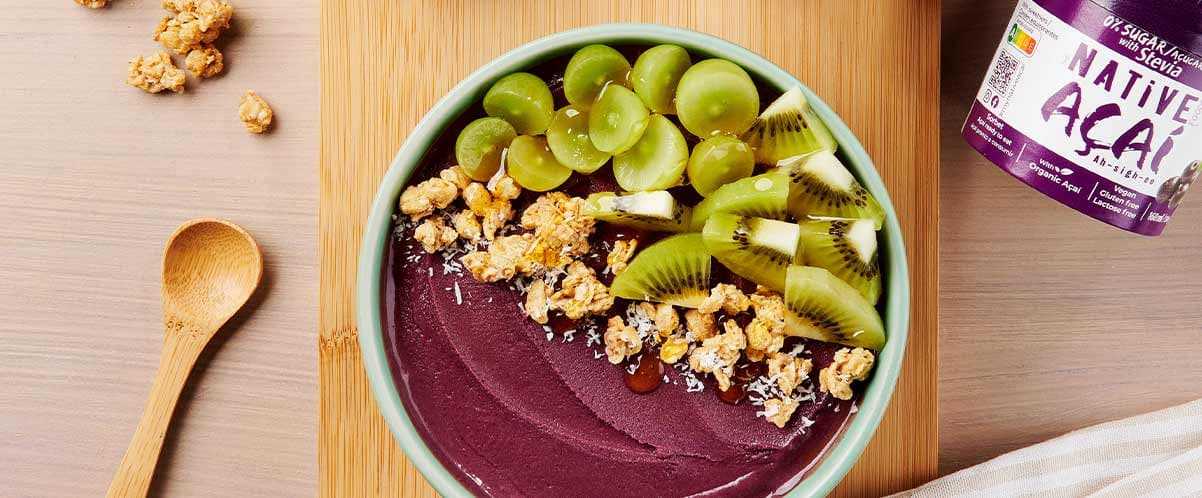
Native Açaí sorbet is one of the most practical bases for a healthy fruit bowl. It's made from organic açaí, requires no preparation, and contributes antioxidants, healthy fats, and fibre from the first spoonful.
Topping combinations that work well with an açaí base:
- Classic: sliced banana, granola, blueberries, a spoonful of almond butter, and a drizzle of honey. This combination covers carbohydrates, fat, protein, and fibre in a single bowl.
- Tropical: mango chunks, pineapple, coconut flakes, and pumpkin seeds. Lighter and more refreshing, well-suited to warmer months.
- High-protein: Greek yoghurt swirled through the açaí, topped with mixed berries, hemp seeds, and a small handful of walnuts. A more substantial option for a post-workout meal or a filling breakfast.
Pitaya Base

Native Pitaya sorbet has a lighter, more delicate flavour than açaí and a striking pink colour that makes any bowl visually appealing. It works particularly well with tropical fruits and lighter toppings.
Topping combinations that work well with a pitaya base:
- Fresh and light: kiwi, passion fruit, sliced strawberries, and a sprinkle of chia seeds. A low-calorie, high-vitamin option that's refreshing without being heavy.
- Crunchy and satisfying: mango, pineapple, granola, and a spoonful of cashew butter. The granola and nut butter add the structure and satiety the lighter pitaya base needs.
- Berry-forward: blueberries, raspberries, a few blackberries, and toasted coconut flakes. The tart berries complement the subtle sweetness of pitaya well.
Common Mistakes to Avoid When Building a Fruit Bowl
Using fruit juice as the base
Juice adds sugar without fibre or protein. If you want a liquid element in the bowl, use a small amount of coconut water or mix yoghurt into the sorbet base instead.
Skipping protein and fat entirely
A fruit-only bowl digests quickly and tends to leave you hungry sooner than a bowl with some structural balance. Even a small amount of nut butter or seeds makes a meaningful difference.
Overloading on toppings
More toppings don't necessarily mean a better bowl. Three or four well-chosen toppings that each serve a purpose will outperform eight ingredients that are there for variety's sake.
Treating the bowl as a dessert
Healthy bowls can absolutely be enjoyed as a treat, but if the goal is a meal or snack that sustains energy, the composition needs to reflect not just the ingredients list, but the proportions too.
Ignoring portion size
Fruit is nutritious, but it's also naturally high in sugar. A well-balanced bowl is roughly half base and fruit, one quarter protein or fat element, and one quarter topping. This isn't a strict rule, but it's a useful frame when building from scratch.
A Healthy Fruit Bowl Is Built, Not Assembled
The difference between a fruit bowl that works and one that doesn't isn't the quality of the individual ingredients, it's the thought behind how they're combined. A base that contributes more than colour, fruit chosen for its nutritional range, a protein or fat element to slow digestion, and a textural topping to finish. That's the structure.
Once you have that structure in place, the specific ingredients can change every day. The bowl stays balanced.