How to Make a Frozen Fruit Smoothie That's Actually Creamy and Satisfying
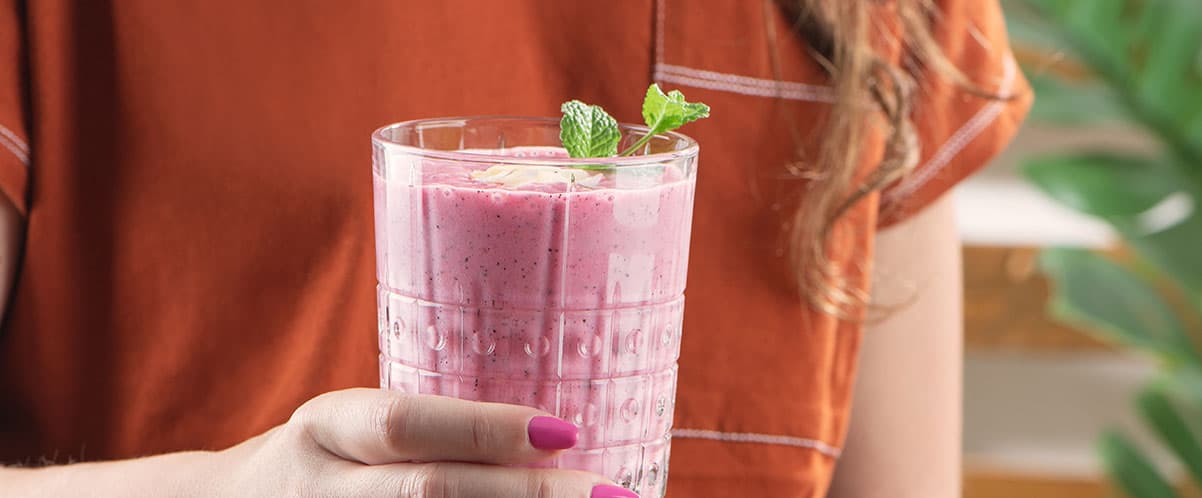
Table of Contents
- What Makes a Frozen Fruit Smoothie Watery and How to Fix It
- The Best Frozen Fruits for a Smoothie (and Why Açaí Sorbet Works as a Base)
- Frozen Fruit Smoothie Combinations Worth Trying
- Practical Tips for Making a Frozen Fruit Smoothie on Busy Days
- A Frozen Fruit Smoothie Is Only as Good as Its Ingredients
- FAQs About Frozen Fruit Smoothies
Descobre a tua receita perfeita com NATIVE Açaí
Responde a algumas perguntas rápidas e encontra a combinação ideal para o teu estilo.
A frozen fruit smoothie should be thick, creamy, and filling. In practice, it often ends up watery, too sweet, or oddly thin — and the reason is almost always the same: the wrong ingredients in the wrong proportions. If you want to make a frozen fruit smoothie that actually satisfies, this article covers everything you need to know.
And for more ideas on how to use frozen fruit and açaí sorbet in your daily routine, explore our frozen fruit smoothie recipes.
What Makes a Frozen Fruit Smoothie Watery and How to Fix It
Most frozen fruit smoothie problems come down to three things: too much liquid, not enough structure, and the wrong base.
Liquid is the most common culprit. A smoothie needs enough liquid to blend, but adding too much (especially fruit juice) results in a thin, watery consistency and a sugar spike without much satiety. The rule of thumb is to start with less liquid than you think you need and add more only if the blender struggles.
Structure comes from ingredients with natural thickness: frozen banana, avocado, Greek yoghurt, nut butter, or a sorbet base. These are what give a smoothie its body. Without at least one of them, even a well-balanced frozen fruit smoothie will feel more like a flavoured drink than a meal.
The base matters more than most people realise. Using a flavourful, nutrient-dense base rather than plain ice or water is what separates a smoothie that tastes deliberate from one that tastes like blended fruit. This is where açaí sorbet becomes a genuinely useful ingredient.
According to a review published in Frontiers in Nutrition, frozen fruit smoothies retain much of the fibre and bioactive compounds found in whole fruit. This makes them a nutritionally sound way to increase fruit intake, provided the formulation supports satiety rather than just sweetness.
The Best Frozen Fruits for a Smoothie (and Why Açaí Sorbet Works as a Base)

Not all frozen fruits behave the same way in a smoothie. Some add sweetness, some add thickness, some add colour and a few do all three.
- Frozen banana is the most reliable thickener. It blends into a creamy consistency and adds natural sweetness without dominating the flavour. It pairs well with almost everything.
- Frozen mango adds tropical sweetness and a smooth texture. It works well in lighter smoothies and pairs particularly well with pitaya and plant-based milk.
- Frozen berries (strawberries, blueberries, raspberries) add colour, antioxidants, and a slight tartness that balances sweeter bases. They're thinner than banana or mango, so they work best combined with a thicker element.
- Frozen pitaya adds a vivid colour and a mild, subtly sweet flavour. It's lower in calories than many other frozen fruits and pairs well with mango and coconut.
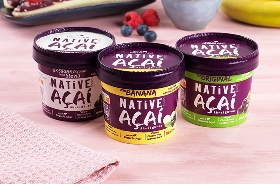
- Açaí sorbet as a base deserves its own mention. Native Açaí sorbet is made from organic açaí and blends directly into a smoothie without any prep. It adds creaminess from the fruit's natural fat content, a deep flavour that complements both sweet and tart fruits, and a strong antioxidant profile. It also eliminates the need for ice, which is one of the main contributors to a watery result. A scoop of açaí sorbet as the base of a frozen fruit smoothie gives you texture, nutrition, and flavour in a single ingredient.
Frozen Fruit Smoothie Combinations Worth Trying
Each of the combinations below is built around a different nutritional profile. All of them use frozen ingredients as the base and require minimal prep.
For Energy and Antioxidants
Açaí sorbet + frozen banana + frozen blueberries + oat milk + a spoonful of almond butter. This combination covers healthy fats from the açaí and almond butter, slow-release carbohydrates from the banana and oats, and a concentrated dose of antioxidants from the blueberries. It's filling enough to work as a breakfast.
For a Light and Refreshing Option
Frozen pitaya + frozen mango + coconut water + a squeeze of lime. This is a lighter combination, lower in calories and higher in hydration. It works well as a mid-morning or post-workout option when you want something refreshing rather than heavy.
For Post-Workout Recovery
Açaí sorbet + frozen banana + protein powder + plant-based milk + chia seeds. The banana provides fast-release carbohydrates for muscle glycogen replenishment, the protein powder supports recovery, and the açaí adds anti-inflammatory antioxidants. The chia seeds contribute omega-3 fatty acids and additional fibre.
For a Gut-Friendly Option
Frozen mango + frozen banana + natural yoghurt + a scoop of açaí sorbet + a teaspoon of honey. The yoghurt adds live cultures that support gut health, while the fibre from the fruit and açaí feeds them. This is a good option for anyone who wants a smoothie that's easy on digestion and genuinely satisfying.
Practical Tips for Making a Frozen Fruit Smoothie on Busy Days

- Make smoothie bags in advance. Portion your frozen fruit combinations into zip-lock bags or containers and keep them in the freezer. In the morning, tip the contents into the blender, add your liquid and any fresh ingredients, and blend. This reduces morning prep to under two minutes.
- Use a high-speed blender if possible. Frozen fruit requires more power than fresh. A standard blender can work, but it may leave chunks or require more liquid which dilutes the texture. If you only have a standard blender, let the frozen fruit soften for five minutes before blending.
- Start with less liquid. Add your liquid gradually rather than all at once. A good frozen fruit smoothie should be thick enough to eat with a spoon if you want: you can always thin it out, but you can't thicken it once the liquid is in.
- Drink it immediately or store it correctly. Frozen fruit smoothies are best consumed straight after blending, when the texture is at its best. If you need to store one, keep it in a sealed jar in the fridge for up to 24 hours and give it a shake or stir before drinking. Avoid leaving it in the freezer, as it will solidify.
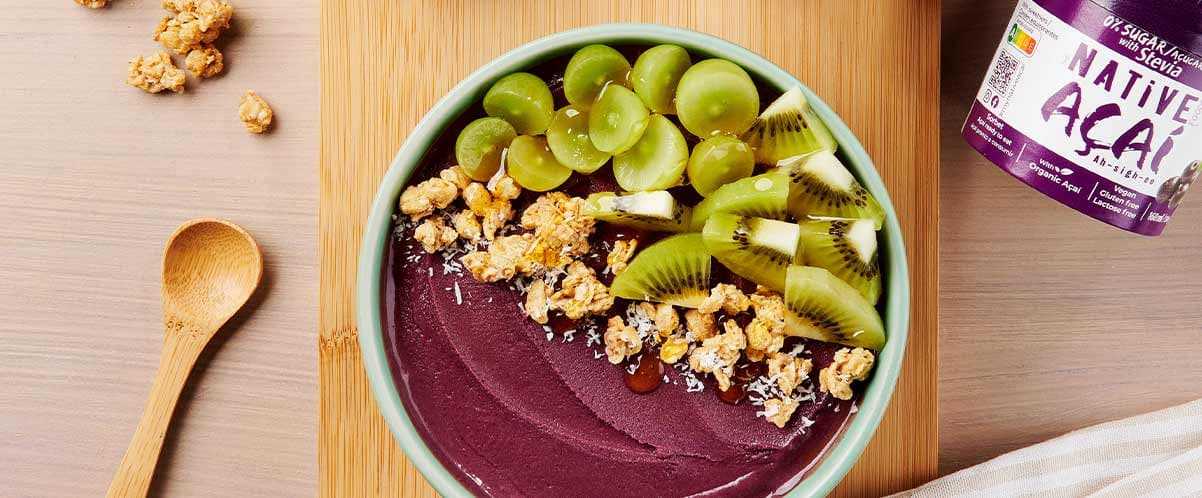
- Add toppings to turn it into a bowl. If you want something more substantial, pour the smoothie into a bowl rather than a glass and add granola, seeds, and fresh fruit on top. The result is an açaí-style bowl that takes no more time to prepare than a smoothie.
A Frozen Fruit Smoothie Is Only as Good as Its Ingredients

The difference between a forgettable frozen fruit smoothie and one you'll make again comes down to ingredient quality and balance. Start with a flavourful base (açaí sorbet, frozen banana, or a combination of both) add a protein and fat source, keep the liquid to a minimum, and the result will be consistently good.
It's a simple format with a lot of room for variation. Once you have a combination you like, it takes less than five minutes to make, which is exactly the point.
FAQs About Frozen Fruit Smoothies
Is a frozen fruit smoothie healthy?
A frozen fruit smoothie can be a very nutritious option, particularly when it includes a balance of fruit, protein, and healthy fats. The nutritional value depends heavily on the ingredients: a smoothie made with whole frozen fruit, açaí sorbet, and yoghurt is very different from one made with fruit juice and flavoured syrups.
Does freezing fruit reduce its nutritional value?
Frozen fruit retains most of its vitamins, minerals, and antioxidants. In some cases, frozen fruit is more nutritious than fresh fruit that has been stored for several days, as it is typically frozen at peak ripeness.
Why is my frozen fruit smoothie watery?
The most common reason is too much liquid. Try reducing the amount of liquid you add and using a thicker base ingredient such as frozen banana, Greek yoghurt, or açaí sorbet.
Can I use açaí sorbet in a frozen fruit smoothie?
Yes. Native Açaí sorbet blends directly into a smoothie without any prep, adding creaminess, antioxidants, and a distinctive flavour. It works particularly well with berries, banana, and plant-based milks.
Can I make a frozen fruit smoothie the night before?
You can, though the texture is best immediately after blending. If you prepare it the night before, store it in a sealed jar in the fridge and stir before drinking. Smoothie bags (pre-portioned frozen ingredients) are a better prep option for busy mornings.