How to Eat Pitaya: What It Actually Tastes Like and the Easiest Ways to Enjoy It

Descobre a tua receita perfeita com NATIVE Açaí
Responde a algumas perguntas rápidas e encontra a combinação ideal para o teu estilo.
Pitaya, or dragon fruit, as it's more widely known, has become one of those fruits you see everywhere: in smoothie bars, on brunch menus, all over social media. If you're wondering how to eat pitaya and what to actually expect from it, you're in the right place.
Despite its visual appeal, a lot of people aren't quite sure where to start. This article covers everything you need to know: the three varieties, the real flavour, the nutritional benefits, and the most practical ways to enjoy it every day.
What Does Pitaya Taste Like? The Three Varieties Explained

Pitaya is a tropical fruit that grows on a cactus native to Mexico, Central America, and South America. Knowing how to eat dragon fruit starts with understanding that not all pitaya tastes the same, there are three main varieties, each with its own colour, texture, and flavour profile.
White pitaya has a light pink skin and white flesh dotted with tiny black seeds. The flavour is mild and subtly sweet, often described as somewhere between melon and kiwi. It's the most widely available variety and usually the first one people try.
Red pitaya is the most visually striking of the three, with deep fuchsia skin and vibrant pink flesh. The flavour is a little more pronounced, think melon with a hint of raspberry. It also tends to be slightly sweeter than the white variety.
Yellow pitaya is less common but worth seeking out. It has a yellow skin and white flesh, and many people find it the sweetest and most flavourful of all, with notes of mango and papaya.
One thing all three varieties have in common: the flavour is gentler than the appearance suggests. If you're expecting something intensely tropical or bold, pitaya will surprise you with its subtlety. That's not a flaw, it's actually what makes it so versatile.
How to Eat Pitaya for Its Nutritional Benefits
Before getting into the practical side of how to eat dragon fruit, it's worth understanding what it actually contributes to your diet.
Pitaya is high in vitamin C, which supports immune function and collagen production. It also contains betalains (the antioxidants responsible for the fruit's vivid colour) which help protect cells from oxidative stress. According to a review published on MDPI's Antioxidants journal, betalains found in pitaya show significant antioxidant and anti-inflammatory properties in laboratory studies.
Beyond antioxidants, pitaya is a good source of dietary fibre, which supports gut health and helps maintain satiety after eating. Its high water content also makes it naturally hydrating, a quality that's particularly useful in warmer months. Compared to many other fruits, it is relatively low in calories, which makes it a flexible ingredient across different eating patterns.
The Easiest Ways to Eat Pitaya Every Day

Eating Pitaya Fresh
The most straightforward way to eat pitaya is also one of the best. Cut the fruit in half, scoop out the flesh with a spoon, and eat it as it is, or cut it into chunks and add it to a fruit salad. No preparation required.
The texture is soft and slightly juicy, similar to a ripe kiwi. The tiny black seeds are completely edible and add a subtle crunch that most people enjoy.
How to Eat Pitaya in a Bowl
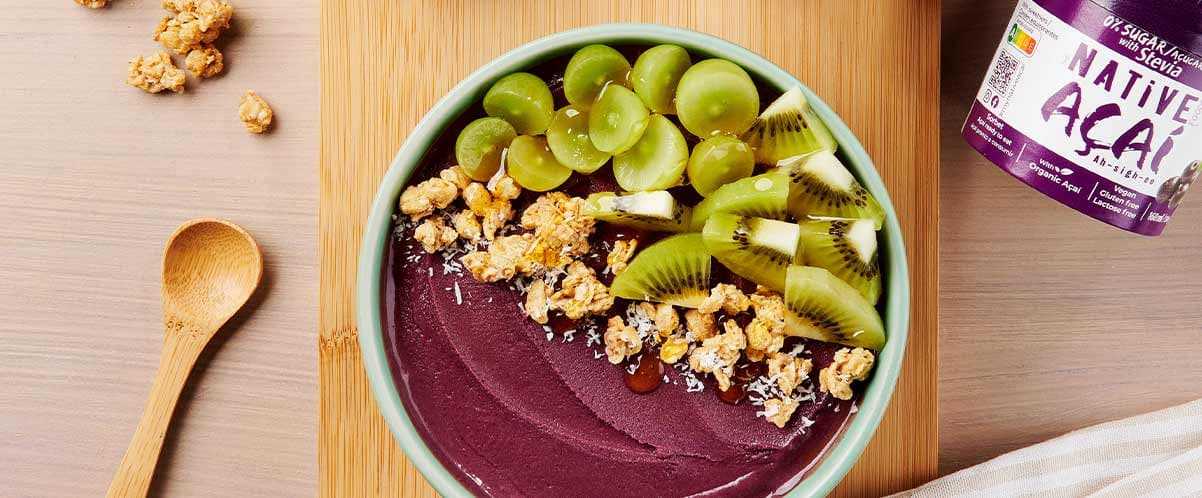
Pitaya works well as a topping in açaí bowls or fruit bowls. The colour contrast makes any bowl more visually appealing, but it also adds a fresh, light flavour that balances nicely with richer bases like açaí or yoghurt. Pair it with granola, other fresh fruits, and a drizzle of honey for a balanced and satisfying meal or snack.
How to Eat Pitaya as a Sorbet
One of the easiest ways to eat pitaya is in sorbet form. Native Pitaya sorbet is made with real dragon fruit, with no artificial colourings, preservatives, or flavourings. Leave the cup to soften for around ten minutes and it's ready to eat on its own or use as a base for bowls and smoothies.
This is a practical option for anyone who wants to enjoy pitaya regularly without tracking down fresh fruit, dealing with ripeness timing, or worrying about waste.
Where to Find Pitaya and What to Look For When Buying

Fresh pitaya is increasingly available in larger supermarkets and specialist grocery stores. When buying fresh, look for fruit with bright, evenly coloured skin and a slight give when pressed, similar to a ripe avocado. Avoid anything with dry, shrivelled skin or brown patches, as these are signs the fruit is past its best.
If fresh pitaya isn't easy to find, frozen pitaya and pitaya sorbet are reliable alternatives that retain the fruit's nutritional value and flavour without the short shelf life of fresh fruit.
Want to learn more about pitaya and its benefits?